
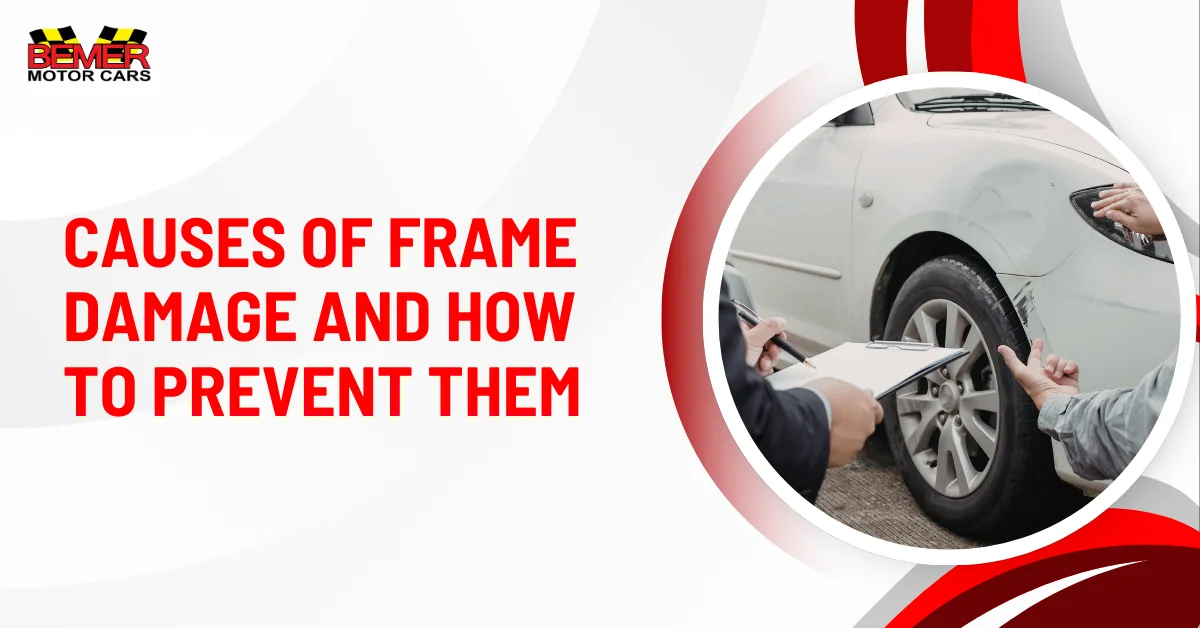
Vehicle frame damage often comes from collisions, potholes, and corrosion. For drivers in Houston, staying ahead of hidden structural issues is especially important for long-term safety and handling. Front-end and rear-end impacts can misalign the frame, while hidden damage might not be immediately visible. Rust from moisture and road salt can weaken the structure over time. To prevent this, practice safe driving habits, maintain your vehicle regularly, and check for signs like uneven tire wear. Staying informed on maintenance tips will help keep your vehicle safe and sound, so let’s explore more ways to protect your ride.
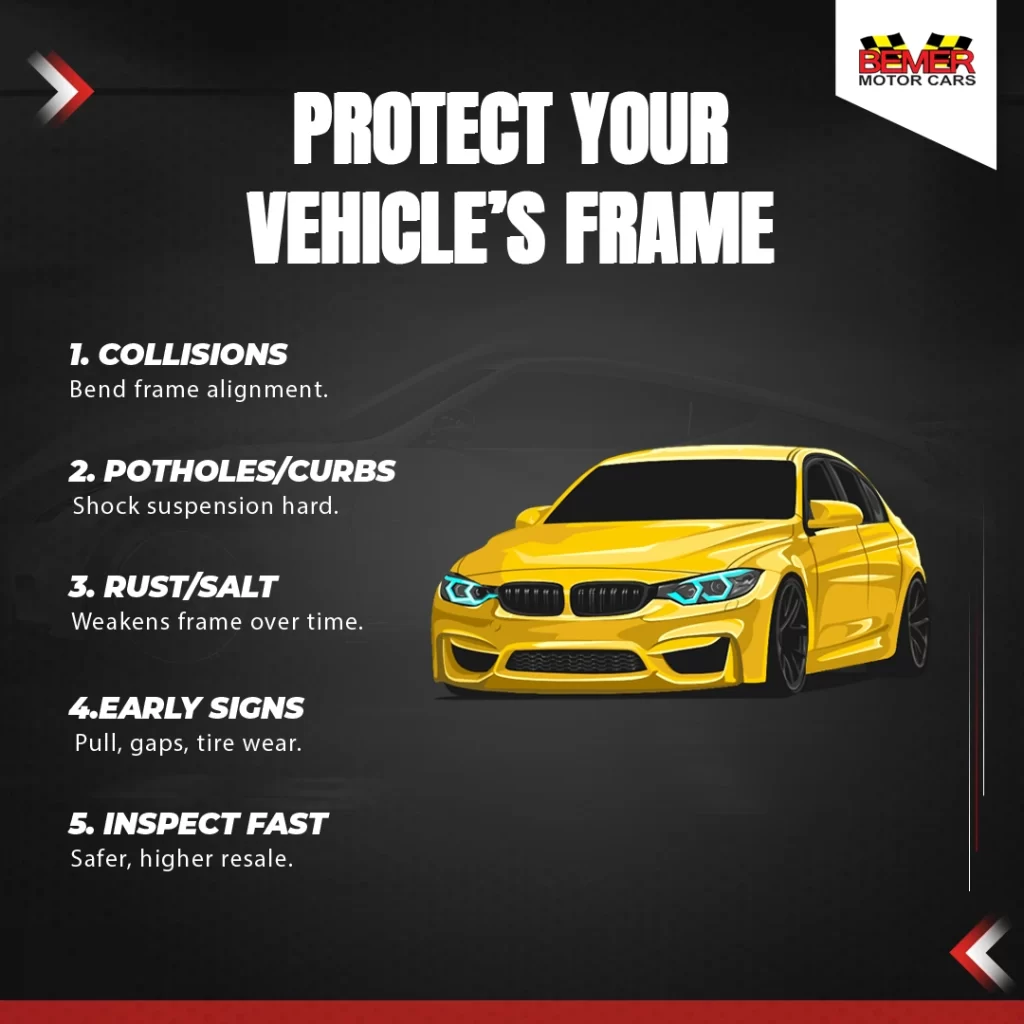
Key Takeaways
- Frame damage often results from collisions, potholes, and severe impacts, affecting the vehicle’s structure and alignment.
- Regular vehicle inspections can identify hidden frame damage and prevent safety issues.
- Rust and corrosion from moisture and road salt can compromise frame integrity over time.
- Practicing safe driving habits reduces the risk of accidents and potential frame damage.
- Timely professional repairs and maintenance help maintain structural integrity and vehicle performance.
Common Causes of Vehicle Frame Damage
When it comes to vehicle frame damage, you’re likely looking at a few common culprits. Front-end and rear-end collisions can wreak havoc on your car’s structure, while hitting potholes or curbs can also lead to significant damage. Understanding these causes can help you take better care of your vehicle and avoid costly repairs.
Frame damage from front-end and rear-end collisions
Frame damage often occurs as a result of front-end and rear-end collisions, impacting the structural integrity of your vehicle. In a front-end collision, the force can bend or twist the frame, leading to misalignment and affecting components like the engine and suspension. You might notice uneven tire wear or difficulty steering after such an impact. Rear-end collisions can also cause significant frame damage, pushing the back of your vehicle forward and compromising the frame’s integrity. If your vehicle’s frame sustains damage from front-end collisions or rear-end impacts, it could lead to costly repairs and safety risks. Regular maintenance checks and defensive driving can help you minimize the risk of these collisions and protect your vehicle’s frame.
Potholes, curbs, and severe suspension impacts
Driving over potholes, hitting curbs, or experiencing severe impacts from your vehicle’s suspension can lead to significant frame damage. These everyday encounters can warp or bend your frame, compromising your vehicle’s integrity and safety. Potholes often catch drivers off guard, causing jarring impacts that stress the suspension system and frame. Similarly, curbs can be unforgiving, especially if you misjudge a turn. Suspension impacts can cause misalignment, affecting your steering and tire wear. To prevent frame damage, be mindful of road conditions, slow down when approaching potholes, and avoid hitting curbs. Regular inspections at a trusted repair shop can also help catch any issues before they escalate, keeping your vehicle safe and reliable on the road.
Hidden Frame and Unibody Damage After an Accident
After an accident, you might not always see the damage to your car’s frame or unibody. Sometimes, structural issues are hidden beneath the surface, leading to misalignment or bending that can affect your vehicle’s performance. It’s essential to know the signs to watch for to guarantee your car stays safe on the road.
Why structural damage is not always visible
Even if your vehicle looks fine on the outside, hidden frame and unibody damage can lurk beneath the surface following an accident. This type of damage often goes unnoticed because it doesn’t always produce visible signs, such as dents or scratches. The structural integrity of your car might be compromised, affecting its safety and performance. Many drivers mistakenly believe that if their vehicle runs smoothly, everything’s okay. However, hidden unibody damage after an accident can lead to serious issues down the road, including alignment problems and increased tire wear. It’s essential to have your vehicle inspected by a qualified technician after any collision, even minor ones, to guarantee that any hidden frame damage is identified and addressed promptly.
Signs your car frame may be bent or misaligned
How can you tell if your car frame is bent or misaligned? There are several signs that your car’s frame may be bent to watch for. First, look for uneven tire wear; if one side shows more wear than the other, it could indicate frame issues. Next, check the alignment—if your car pulls to one side while driving straight, that’s a red flag. Listen for unusual noises, like clunking or creaking, especially when going over bumps. Additionally, inspect the doors; if they don’t close properly or are misaligned, it might signal frame damage. Finally, examine gaps between body panels; uneven spacing can indicate a problem. If you notice any of these signs, it’s time to seek professional help.
Rust and Corrosion as a Long-Term Threat
Rust and corrosion can silently compromise your vehicle’s frame over time. Moisture and road salt are often the culprits, targeting vulnerable areas that weaken essential components. By understanding these threats, you can take proactive steps to protect your car from long-term damage.
How moisture and road salt weaken frame components
While you may not notice it at first, moisture combined with road salt can slowly wreak havoc on your vehicle’s frame. These elements create the perfect environment for rust and corrosion, which can lead to frame issues. When road salt mixes with moisture, it accelerates the oxidation process, eating away at your frame’s metal components. Over time, this leads to weakened structural integrity, compromising safety and performance. You might experience unusual noises or handling issues as the corrosion progresses, but by then, significant damage may have already occurred. Regular washing and undercoating your vehicle can help protect against this deterioration. Staying proactive is key to ensuring your frame remains strong and functional for years to come.
Areas most vulnerable to corrosion-related frame issues
Corrosion can take hold in several areas of your vehicle’s frame, particularly where moisture tends to accumulate. Being aware of these vulnerable spots can help you prevent significant issues and address common causes of vehicle frame damage. Here are three key areas to monitor:
- Wheel Wells: These areas often trap water and debris, creating the perfect environment for rust to thrive.
- Underbody: The underside of your vehicle is exposed to road salt and moisture, making it a prime target for corrosion.
- Joints and Welds: The points where frame components connect are susceptible to rust if not properly sealed or coated.
Regular inspections and maintenance can help you combat these vulnerabilities and extend your vehicle’s lifespan.
Why Prompt Frame Inspection and Repair Matters
After any accident, it’s vital to get your vehicle’s frame inspected right away. Delaying repairs can compromise your safety, affect handling, and reduce resale value. Addressing frame damage quickly guarantees your car remains reliable and safe on the road.
Importance of frame inspection after minor or major accidents
When you’ve been in a minor or major accident, it’s crucial to get a prompt frame inspection to guarantee your vehicle’s safety and performance. The importance of frame inspection after major or minor accidents can’t be overstated. Here are three key reasons why you shouldn’t delay:
- Safety Assurance: A thorough inspection can reveal hidden damage that might compromise your vehicle’s structural integrity.
- Performance Optimization: Ensuring your frame is aligned and intact helps maintain proper vehicle handling and responsiveness.
- Cost-Effectiveness: Addressing frame issues early can prevent more extensive repairs down the road, saving you money and hassle.
How delayed repairs affect safety, handling, and resale value
Ignoring frame damage can lead to serious consequences for your vehicle’s safety and performance. Delayed repairs can compromise handling, making your car less responsive and increasing the risk of accidents. A weakened frame can also affect your vehicle’s stability, especially during sudden maneuvers. If you plan to sell your vehicle in the future, neglecting these repairs can significantly decrease its resale value. Buyers are often wary of cars with frame damage, and they’ll expect lower prices. In a busy driving environment with frequent stop-and-go traffic and unpredictable road conditions, small issues can escalate faster than most drivers expect. That’s why understanding the importance of prompt collision repair in Houston is essential. By addressing frame issues quickly, you guarantee your vehicle remains safe, handles well, and maintains its value over time. Don’t wait—get your frame inspected and repaired as soon as possible.
Preventing Frame Damage Through Safe Driving and Maintenance
You can significantly reduce the risk of frame damage by practicing careful driving habits, such as maintaining a safe distance and obeying speed limits. Regular maintenance also plays an essential role in protecting your vehicle’s structural integrity, ensuring everything is in good working order. By being proactive, you can help keep your car safe and extend its lifespan.
How careful driving reduces collision and impact risks
Although many drivers may underestimate the importance of cautious driving, adopting safe habits considerably lowers the risk of collisions and subsequent frame damage. By focusing on how to prevent frame damage with safe driving, you can maintain your vehicle’s integrity. Here are three key practices to implement:
- Maintain a safe following distance: This gives you ample time to react to sudden stops or obstacles.
- Obey speed limits: Speeding reduces your ability to maneuver and increases the force of any impact.
- Avoid distractions: Stay focused on the road to anticipate and mitigate potential hazards.
Preventive steps to protect your vehicle’s structural integrity
Even with great driving habits, Houston roads and unexpected impacts can still cause subtle structural issues that need precise measurement. Maintaining your vehicle’s structural integrity goes beyond just safe driving practices; regular maintenance plays an essential role, too. Schedule routine inspections to catch potential issues early, and don’t skip necessary repairs. Make certain your tires are properly inflated and aligned, as uneven wear can lead to frame stress. Even careful drivers can hit unexpected hazards, and subtle structural problems aren’t always obvious without the right tools. If you suspect frame damage, seeking help from professionals who offer computerized frame measuring and straightening in Houston, TX, is vital. They’ll accurately assess any damage and restore your vehicle’s structure. Additionally, avoid overloading your vehicle and be cautious of potholes or rough terrain. By combining safe driving with diligent maintenance, you can significantly reduce the risk of frame damage and prolong your vehicle’s lifespan.
Trust Bemer Motor Cars for Professional Frame Repair in Houston
When it comes to frame repair in Houston, trusting the experts at Bemer Motor Cars can make all the difference for your vehicle’s longevity and performance. Our ASE-Certified technicians specialize in collision repair and structural realignment at Bemer, ensuring your vehicle returns to prime condition. Here’s what you can expect from our services:
- Expert Assessment: We thoroughly evaluate the extent of frame damage to determine the best repair approach.
- Precision Repair: Our advanced equipment guarantees accurate structural realignment, restoring your vehicle’s integrity.
- Quality Assurance: We stand by our work, providing reliable repairs that enhance your vehicle’s performance and safety.
Choose Bemer Motor Cars for professional frame repair and enjoy peace of mind on the road.
Frequently Asked Questions
How Can I Tell if My Vehicle Has Frame Damage?
You can tell if your vehicle has frame damage by inspecting for misaligned panels, uneven tire wear, or unusual vibrations while driving. Additionally, check for visible bends or cracks in the frame itself.
What Are the Signs of Rust on a Vehicle Frame?
You’ll notice signs of rust on a vehicle frame by looking for flaky patches, discoloration, or bubbling paint. If you see any of these, it’s time to inspect your frame closely for potential issues.
Can Frame Damage Affect My Car’s Safety Features?
As the saying goes, “a stitch in time saves nine.” Yes, frame damage can compromise your car’s safety features. It’s essential to address any frame issues promptly to guarantee your vehicle remains safe and reliable.
Is Frame Damage Always Repairable, or Can It Be Total Loss?
Frame damage isn’t always repairable; it can lead to a total loss if the structural integrity is compromised. You’ll need a professional assessment to determine whether repairs are feasible for your specific vehicle situation.
How Often Should I Have My Vehicle’s Frame Inspected?
You should have your vehicle’s frame inspected every year. Ignoring it might seem easier, yet you’ll thank yourself later for catching issues before they escalate.
Conclusion
Just as a sturdy tree withstands storms with strong roots, your vehicle’s frame needs care to weather the challenges of the road. By understanding the causes of frame damage and taking proactive steps, you can guarantee your car stands tall and safe. Don’t wait for the winds of misfortune to strike; nurture your vehicle with regular maintenance and safe driving habits. With the proper attention, your ride will continue to flourish for many journeys to come.